

Lucha libre wrestling
Lucha libre wrestling — literally “free wrestling” — is much more than a Mexican sport: it’s a total spectacle, a popular art form where the wrestler mask is at the heart of everything. Each luchador embodies a character, hero or villain, recognizable by their unique lucha libre mask. But lucha libre culture shines far beyond the arena: decorative plaques, artisanal altars, postcards — so many objects that bring this iconic universe into your home. All our products are handcrafted in Mexico and sourced near the Mexican arenas after the evening shows. Atmosphere included!
Discover our selection below and at the bottom of the page, a history of lucha libre wrestling, this Mexican spectacle like no other.
Showing all 13 results
-

Lucha libre mask – Cinta de Oro
28,00 € inc. VAT Add to cart -
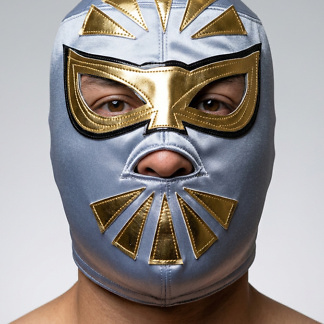
Lucha libre mask – Mistico
28,00 € inc. VAT Add to cart -
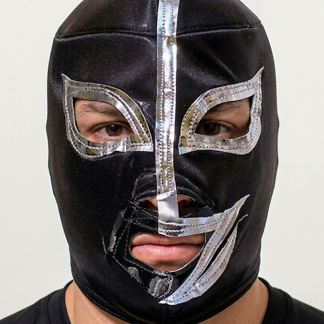
Lucha libre mask – Rayo de Jalisco
28,00 € inc. VAT Add to cart -

Lucha libre mask – The Flash
28,00 € inc. VAT Add to cart -
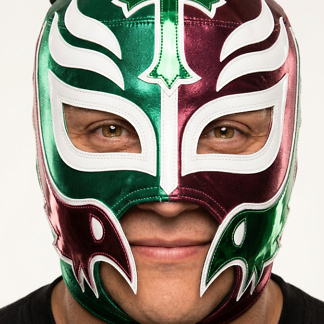
Lucha libre mask – Rey Misterio
28,00 € inc. VAT Add to cart -
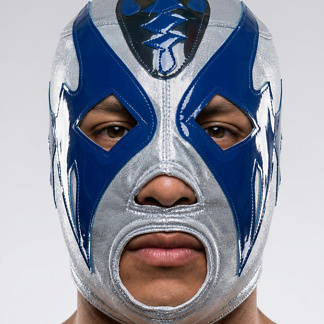
Lucha libre mask – Atlantis
28,00 € inc. VAT Add to cart -

Lucha libre mask – Ciclon Ramirez
28,00 € inc. VAT Add to cart -
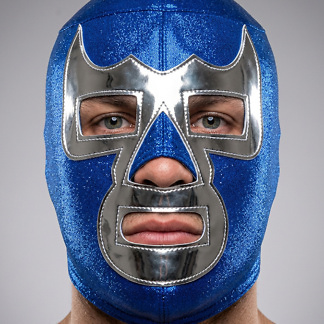
Lucha libre mask – Blue Demon
28,00 € inc. VAT Add to cart -
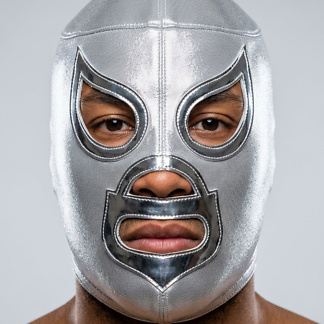
Lucha libre mask – El Santo
28,00 € inc. VAT Add to cart -
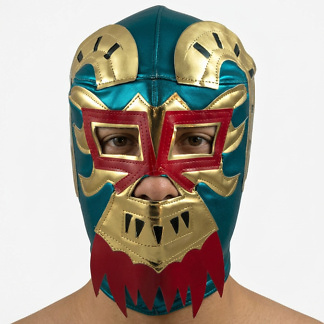
Ephesto wrestling mask
28,00 € inc. VAT Add to cart -

Lucha libre mask – Huracan Ramirez
28,00 € inc. VAT Add to cart -
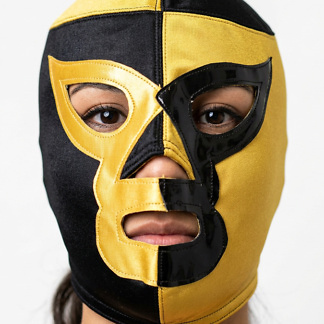
Lucha libre mask – Pierrot
28,00 € inc. VAT Add to cart -

Rey Mist wrestling mask
27,63 € inc. VAT Add to cart
Showing all 13 results
A history of lucha libre wrestling
The origins: between Western wrestling and Aztec combat
Mexican lucha libre was officially born in the 1930s, when Salvador Lutteroth founded the Empresa Mexicana de Lucha Libre (EMLL) in Mexico City in 1933. But its roots go deeper: from the late 19th century, Greco-Roman wrestlers and American catch wrestlers toured Mexico, and their techniques blended with local hand-to-hand combat traditions. This cross-pollination gave birth to a radically new style — more aerial, faster, more theatrical — where athletic prowess rivaled showmanship.
The mask: soul and identity of the luchador
At the heart of lucha libre lies the mask. Introduced in the 1930s by figures like El Murciélago Velázquez, the mask is not a mere accessory: it is the fighter's entire identity. Losing one's mask — in a match called apuesta (wager) — is one of the most symbolic defeats there is. The luchador mask is handcrafted by specialized artisans called mascareros, who work with lycra, leather and embroidery to create unique pieces blending totemic animals, pre-Hispanic geometric patterns and vibrant colors.
The great figures: El Santo, Blue Demon, Rey Mysterio
Three names dominate the mythology of lucha libre:
- El Santo (1917–1984) is the ultimate icon. His silver mask, his code of honor and his film adventures made him a national hero, a secular saint whose face was never revealed during his lifetime. He also inspires today's luchador nichos — those small artisanal altars that pay tribute to him as an almost divine figure.
- Blue Demon, El Santo's rival and friend, popularized the blue-faced rudo figure, embodying the hero/villain duality inherent to the genre. His likeness now adorns decorative plaques and ex-votos throughout Mexican popular culture.
- Rey Mysterio Jr., who crossed over to the worldwide WWE, exported the aerial style of lucha libre far beyond Mexico's borders, making the Mexican wrestling mask a global cultural object.
Techniques and style: high-flying as a signature
What sets lucha libre apart from Anglo-Saxon wrestling is its aesthetic of acrobatics. Luchadores perform spectacular aerial maneuvers — plancha, tope suicida, huracánrana — that demand exceptional flexibility and coordination. The ring becomes a stage, the fighters acrobats as much as athletes. This theatrical dimension is doubled by a binary narrative between técnicos (the good guys) and rudos (the villains), which structures each bout as a folk tale with universal archetypes.
Lucha libre wrestling as decoration and collectibles
Since the 1990s, lucha libre imagery has largely spilled beyond the arena to invade contemporary Mexican decoration. Ex-voto lucha libre plaques — in the style of religious ex-votos — depict the great champions in a colorful, popular style, half-sacred half-festive. Luchador nichos, those small glazed altars inherited from the Mexican domestic altar tradition, transform El Santo or Místico into tutelary figures displayed at home. As for lucha libre postcards, they carry on the tradition of Mexican popular imagery — the fight posters plastered on the walls of Mexico City's working-class neighborhoods.
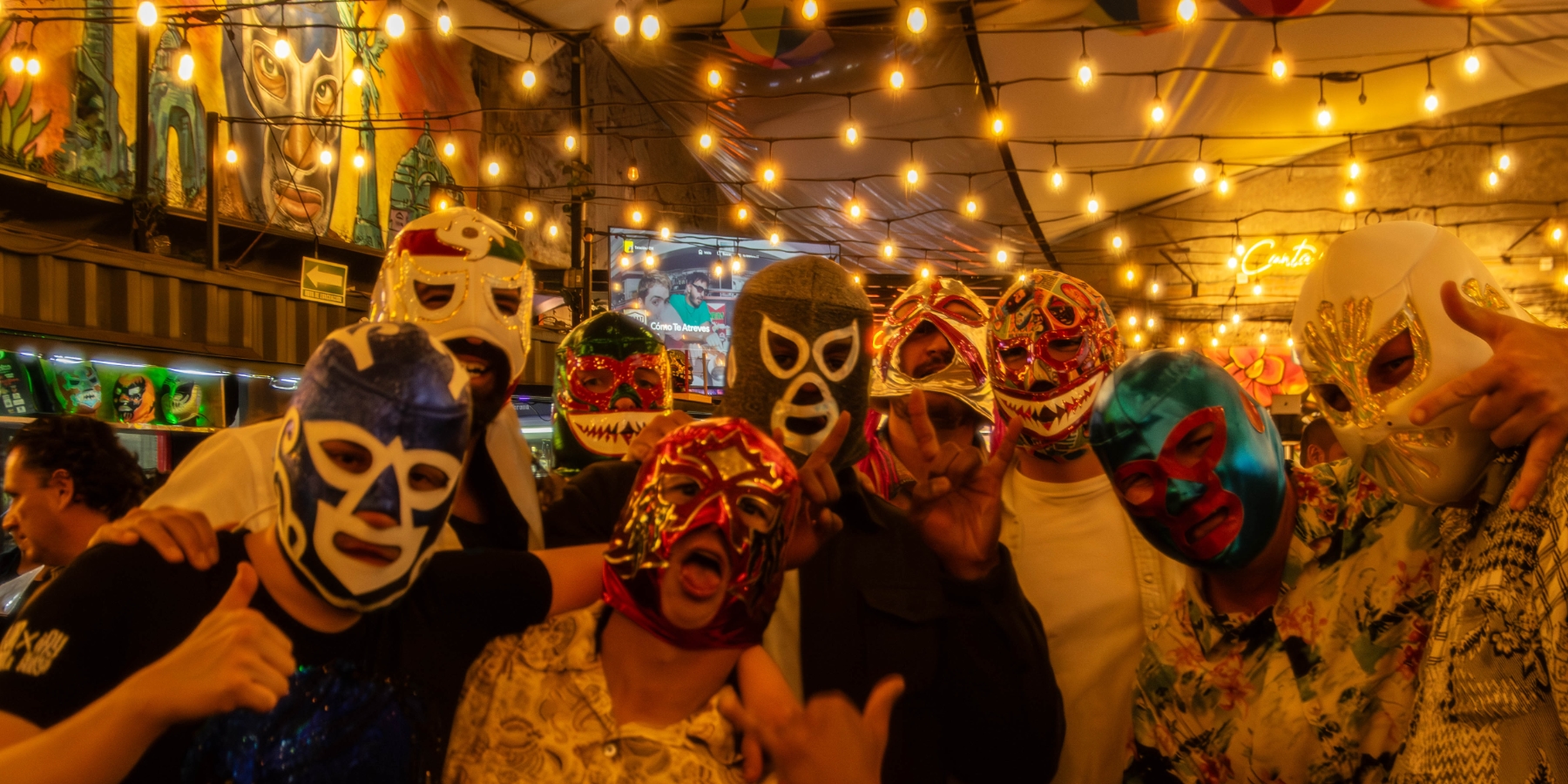
Wear, gift, decorate: lucha libre wrestling for everyone
Whether for a Halloween costume, a themed party, a carnival, a photo shoot or simply to decorate an interior with character, lucha libre culture offers an instantly recognizable visual vocabulary. Giving an original Mexican wrestler mask, a decorative plaque featuring Blue Demon or a handcrafted luchador nicho means passing on a piece of a living popular culture, handmade in Mexico by artisans who have kept this craft alive for generations.